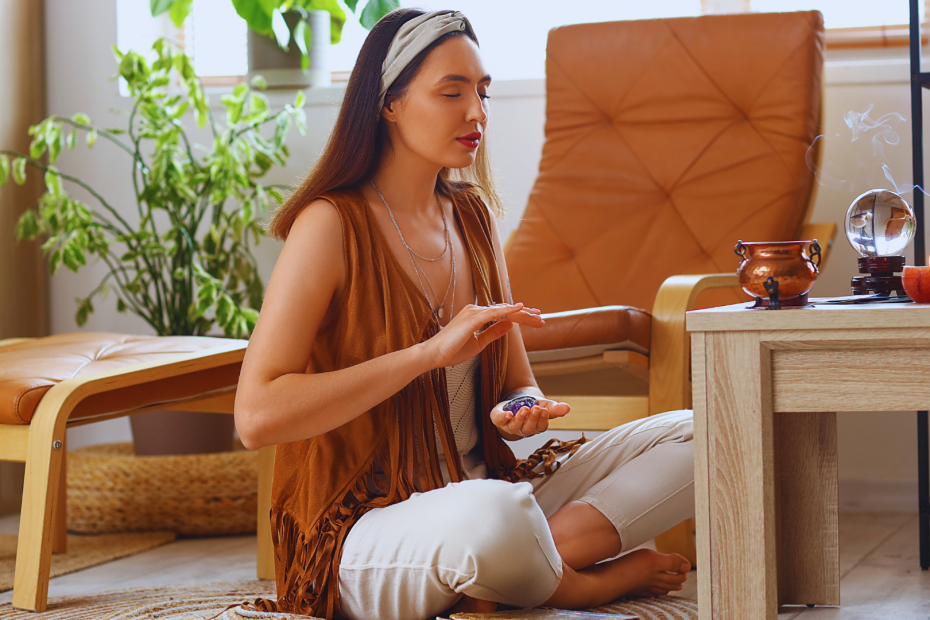
Daily rituals play a vital role in enhancing both physical and mental well-being. Incorporating simple yet effective activities into a daily routine can lead to significant improvements in overall health. From morning stretches to evening meditation, these practices help create a balanced lifestyle and foster resilience against daily stressors.
Engaging in rituals like mindful breathing, journaling, or even a short walk can significantly boost mood and clarity. The consistency of these actions reinforces a sense of structure and purpose, allowing individuals to navigate their day with greater ease.
Additionally, establishing a routine can enhance focus and productivity, nurturing both body and mind. By embracing these daily practices, one can cultivate a more fulfilling and health-oriented life.
The Power and Purpose of Daily Rituals
Daily rituals serve a significant role in enhancing an individual’s well-being and fostering a sense of balance and fulfillment. By incorporating these purposeful practices, one can cultivate consistency and self-awareness, leading to improved mental and physical health.
Defining Rituals Versus Routines
Rituals and routines, while often used interchangeably, possess distinct characteristics. Rituals are intentional, meaningful practices, often tied to personal values or beliefs. They signify importance and can elevate an experience. Examples include morning meditation or evening gratitude journaling.
Routines, on the other hand, consist of repetitive actions performed out of habit. While they can provide structure, they may lack the depth and emotional connection found in rituals. Understanding this difference helps individuals choose practices that genuinely resonate with their goals for well-being.
The Science Behind Rituals and Well-Being
Research indicates that engaging in rituals can enhance psychological health. Studies demonstrate that rituals boost feelings of control, reduce anxiety, and promote relaxation. This is especially important in stressful situations, where a familiar ritual can ground an individual.
Rituals can also strengthen social bonds. Shared practices, such as family dinners or communal yoga sessions, foster connection and support. These interactions contribute to a sense of belonging, which is crucial for maintaining mental health.
Cultivating Intention and Consistency
The effectiveness of daily rituals hinges on intention and consistency. Setting a clear purpose behind each ritual ensures that it serves the individual’s unique needs. For instance, a morning exercise routine should align with personal fitness goals for the best results.
Consistency reinforces habits over time, making the ritual more ingrained. Establishing a specific time each day for a ritual can help in developing this consistency. Small adjustments, such as tracking progress in a journal, can enhance self-awareness and encourage continued practice.
Essential Morning Rituals for Mental Clarity and Physical Well-Being
Establishing effective morning rituals can significantly boost both mental clarity and physical well-being. Incorporating practices such as self-reflection, hydration, mindful eating, movement, and a digital detox can create a positive foundation for the day ahead.
Morning Self-Reflection
Morning self-reflection allows individuals to set a focused intention for the day. Engaging in a few minutes of journaling or meditation can help clarify goals and priorities.
Choosing a quiet space for reflection fosters an atmosphere conducive to mindfulness. Writing down thoughts and aspirations enhances awareness, leading to improved focus throughout the day.
Practices like gratitude journals can also elevate mood and positivity. By reflecting on what one is thankful for, it becomes easier to maintain a positive outlook amidst daily challenges.
Hydration and Mindful Eating
Starting the day with hydration is crucial for overall well-being. Consuming water upon waking helps to kickstart metabolism and flush out toxins.
Incorporating mindful eating during breakfast allows individuals to truly engage with their meals. Focusing on the taste, texture, and aroma of food enhances the overall experience.
Opting for nutritious foods, such as fruits, whole grains, and proteins, plays a key role in sustaining energy levels. This approach helps stabilize blood sugar and improve concentration throughout the morning.
Movement Practices: Yoga and Stretching
Integrating yoga or stretching into the morning routine promotes both physical and mental health. These practices increase blood flow, which energizes the body and sharpens the mind.
Yoga has the added benefit of enhancing flexibility and reducing tension in muscles. Simple stretches can relieve stiffness, preparing the body for the day ahead.
Mind-body exercises encourage relaxation and mental clarity. Incorporating just 15-30 minutes of movement fosters heightened awareness and a positive mindset.
Digital Detox to Start the Day
Implementing a digital detox in the morning can significantly improve focus and clarity. Avoiding screens for the first hour allows for a more mindful approach to the day.
Using this time for personal rituals rather than scrolling through notifications helps reduce stress and anxiety. This practice sets a calm tone for the day, facilitating better decision-making.
Encouraging a break from technology fosters awareness of one’s surroundings and personal thoughts. By prioritizing this time, individuals enhance overall mental health and productivity.
Mindfulness and Emotional Wellness Throughout the Day
Incorporating mindfulness into daily routines can significantly enhance overall emotional wellness. Key practices like meditation, journaling, and mindful awareness foster mental clarity and resilience, leading to improved mental health.
Meditation and Breathwork
Meditation serves as a powerful tool for enhancing mental wellness. By dedicating a few minutes daily, individuals can reduce stress and improve focus.
Breathwork, often paired with meditation, plays a crucial role in calming the nervous system. Techniques such as box breathing or diaphragmatic breathing help to regulate emotions and promote relaxation.
Consistency in practice can lead to improved emotional resilience. Regular meditation can create a sense of stability amid daily challenges.
Journaling for Self-Care and Gratitude
Journaling is an effective self-care practice that promotes emotional clarity. It allows individuals to process thoughts and feelings, making it easier to identify patterns and triggers.
Incorporating gratitude into journaling enhances mental well-being by shifting focus from negativity to appreciation. Writing down three things to be grateful for each day can create positive neurological changes.
This practice not only fosters awareness but also boosts emotional resilience. Regular reflection through journaling empowers individuals to embrace their experiences.
Practicing Mindfulness in Daily Life
Mindfulness involves being fully present in the moment. Simple actions, like mindful eating or walking, encourage awareness of thoughts and feelings.
Setting daily reminders can help individuals pause and practice mindfulness throughout their day. Techniques such as focusing on breath or sensory experiences enhance emotional awareness.
Integrating mindfulness into ordinary tasks can reduce anxiety and improve emotional health. This practice nurtures resilience against life’s stressors.
Facilitating Emotional Release and Resilience
Emotional release is essential for maintaining mental health. Practices like creative expression—through art, writing, or movement—help individuals process emotions effectively.
Physical activities, such as yoga or dancing, can also facilitate emotional release. These activities encourage the body to let go of stored tension and stress.
Building emotional resilience involves recognizing and validating feelings. Understanding emotions as temporary experiences can foster a healthier relationship with them.
Connection, Balance, and Evening Rituals for Fulfillment
Cultivating connection and balance in the evening can significantly enhance physical and mental well-being. By focusing on nurturing relationships, creating restful spaces, and practicing intentional rituals, individuals can find a greater sense of fulfillment.
Nurturing Social Connections
Strong social connections play a critical role in personal well-being. Engaging with friends and family through regular gatherings or simple check-ins can strengthen bonds. Setting aside dedicated time for social activities fosters trust and emotional support.
Active participation in community events or volunteering also enriches social ties. These interactions contribute to a sense of belonging and purpose. Encouraging open communication and actively listening during conversations enhances understanding and connection.
Nature, Scents, and Creating Restful Spaces
Creating a calming environment is essential for evening rituals. Incorporating natural elements, such as plants or soft lighting, can significantly improve mood. Scents like lavender have been shown to promote relaxation and reduce stress.
Arranging a cozy space for unwinding helps signal the mind to transition from day to night. Consider comfortable seating, warm blankets, and personal touches that promote tranquility. A clean and organized space reduces anxiety and fosters a sense of peace.
Evening Practices for Unwinding
Establishing evening rituals can effectively promote relaxation and balance. Activities like reading, journaling, or practicing mindfulness enhance self-awareness. These practices allow for mental decluttering, paving the way for restful sleep.
Incorporating gentle stretches or yoga can support physical well-being, relieving tension built up during the day. Limiting screen time before bed and opting for calming activities helps prepare the body for rest. A warm herbal tea can be a soothing addition to this routine.
Integrating Rituals for Lifelong Balance
Integrating daily rituals into one’s lifestyle fosters ongoing balance and fulfillment. Consistency is key; setting aside time each evening for these practices helps individuals maintain connection with themselves and others.
Creating a schedule that incorporates social gatherings, nature exposure, and relaxation techniques encourages a holistic approach to well-being. Adapting these rituals as needed ensures they remain relevant and effective. Over time, they become ingrained habits that support a balanced life.