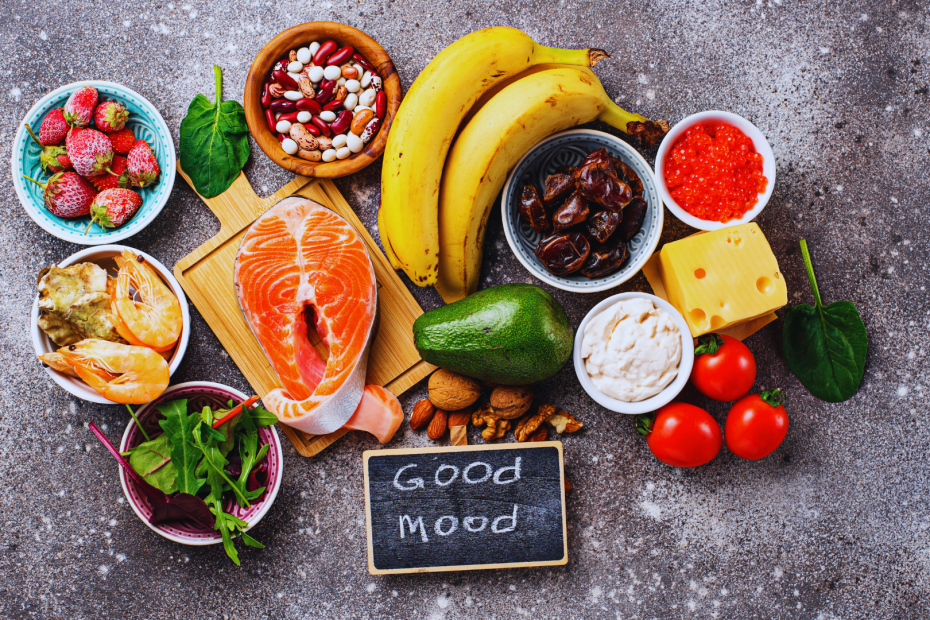
The connection between food and mood is a topic of increasing interest in the fields of mental health and nutrition. Many studies show that what individuals eat can significantly impact their emotional well-being. The right diet not only supports physical health but also plays a crucial role in enhancing mood and reducing symptoms of anxiety and depression.
Dietary choices can influence brain chemistry and hormonal balance, thus affecting how a person feels. Foods high in omega-3 fatty acids, antioxidants, and vitamins are often linked to improved mental health outcomes. As people become more aware of their diets, they can take proactive steps to nourish their minds as well as their bodies.
Understanding this relationship opens the door to practical strategies for enhancing mood through nutrition. Incorporating a variety of healthy foods into daily routines may contribute to a more balanced emotional state. By paying attention to the nutritional value of their meals, individuals can foster a healthier mindset.
The Science Behind Food and Mood
The connection between dietary choices and emotional states is increasingly supported by research. Understanding how food influences mood through chemicals, gut health, and inflammation provides insight into improving mental wellbeing.
Neurotransmitters and Hormones
Neurotransmitters such as serotonin and dopamine play crucial roles in mood regulation. Approximately 90% of serotonin is produced in the gut, emphasizing the importance of diet in mental health. Foods rich in tryptophan, like turkey and bananas, can enhance serotonin levels. Additionally, a balanced diet can help stabilize cortisol, the stress hormone. High cortisol levels are linked to mood disorders, making dietary choices that support hormone balance essential for psychological wellbeing.
Gut Microbiome and Mental Health
The gut microbiome consists of trillions of bacteria that influence various bodily functions, including mental health. Probiotics found in foods like yogurt and sauerkraut can promote a healthy microbiome. This, in turn, affects the production of neurotransmitters. Research has shown that a diverse gut microbiota can reduce anxiety and depression symptoms. Additionally, prebiotic foods, such as garlic and bananas, feed beneficial bacteria and may enhance cognitive function. The relationship between gut health and brain activity highlights the importance of dietary choices.
Inflammation and Cognitive Function
Chronic inflammation is known to negatively impact cognitive function and emotional health. Dietary inflammation can arise from processed foods, sugars, and unhealthy fats, potentially leading to psychological issues. Anti-inflammatory foods, such as fatty fish, berries, and leafy greens, can reduce inflammation and support brain health. This dietary approach encourages cognitive resilience and may protect against cognitive decline. Understanding the link between inflammation and mood can guide individuals toward food choices that promote mental clarity and stability.
Impact of Dietary Choices on Mood
Dietary choices significantly influence mood and emotional well-being. Macronutrients, vitamins, and specific food types play key roles in regulating mood stability and reducing irritability and mood swings.
Effects of Macronutrients
Macronutrients impact mood through their biochemical effects on the brain. Proteins are crucial for neurotransmitter production; for instance, tryptophan in turkey helps produce serotonin, enhancing mood. Complex carbohydrates, found in whole grains, promote stable blood sugar levels, reducing irritability.
In contrast, refined carbohydrates and sugars can cause rapid spikes and crashes in blood sugar, leading to mood swings. Healthy fats, especially omega-3 fatty acids from sources like fish and flaxseeds, are linked to better mood regulation and reduced depression risk. Balanced macronutrient intake supports emotional well-being.
Vitamins and Minerals
Micronutrients like iron, vitamin D, magnesium, zinc, and folate are essential for maintaining mood. Iron deficiency can lead to fatigue, impacting mood stability. Vitamin D is associated with lower depression levels; sunlight exposure helps synthesize it naturally.
Magnesium plays a role in neurotransmitter function, with deficiency linked to irritability. Zinc is crucial for brain health, affecting mood regulation. Adequate intake of these vitamins and minerals from a balanced diet can enhance emotional well-being and reduce stress.
Food Types and Mood Connections
Certain food types have clear connections with mood. Fruits and vegetables, particularly leafy greens, are rich in antioxidants, which combat oxidative stress and may improve mental clarity. Whole grains contribute to sustained energy levels, supporting a stable mood throughout the day.
Nuts and seeds offer healthy snacks that supply beneficial fats and proteins, fostering better emotional health. In contrast, processed and unhealthy foods can lead to increased mood disturbances. Comfort foods, such as chocolate, may provide temporary relief, but reliance on them can exacerbate long-term mood issues. A healthy dietary pattern, like the Mediterranean diet, promotes emotional well-being and reduces the risk of mood disorders.
Lifestyle, Diet, and Emotional Health
Diet and lifestyle choices play a crucial role in influencing emotional well-being. Key areas include the impact of specific foods on stress and anxiety, the importance of hydration and sleep, and how physical health conditions relate to mood.
Managing Stress and Anxiety Through Diet
Certain foods can either exacerbate or alleviate feelings of stress and anxiety. Complex carbohydrates, such as whole grains, help maintain stable blood sugar levels, preventing mood swings. Low glycaemic load foods, like lentils and beans, are beneficial for sustained energy.
In contrast, sugar and refined carbs can lead to spikes and crashes in energy, which may increase feelings of anxiety. Nutrient-rich foods, such as leafy greens, nuts, and fish, are known to support brain health. Additionally, avoiding caffeine can reduce anxiety symptoms.
Practicing mindful eating helps individuals recognize emotional cues and reduce episodes of emotional eating, which often compounds feelings of guilt and stress.
The Role of Hydration and Sleep
Hydration is vital for maintaining optimal mood and cognitive function. A mere 1-2% drop in hydration can lead to fatigue, irritability, and low energy. Water-rich foods, including fruits and vegetables, can contribute to daily fluid intake.
Sufficient sleep is equally important for emotional health. Poor sleep patterns can lead to increased stress and anxiety levels, and disrupt emotional regulation. To promote better sleep, it is beneficial to establish a consistent sleep routine and limit screen time before bed.
Connecting hydration and sleep can further enhance mood stability, as both are essential for emotional and physical recovery.
Physical Health Conditions
Chronic health issues can significantly influence mood and emotional well-being. Conditions such as obesity and diabetes mellitus are linked to increased risks of anxiety and depression. Managing weight through healthy eating can improve mood and energy levels.
Low blood sugar levels may trigger irritability and feelings of being “hangry.” Incorporating regular, balanced meals helps stabilize blood sugar and reduce these symptoms.
Individuals experiencing health issues should consult healthcare professionals for tailored dietary advice, enabling them to improve their physical and emotional health simultaneously.