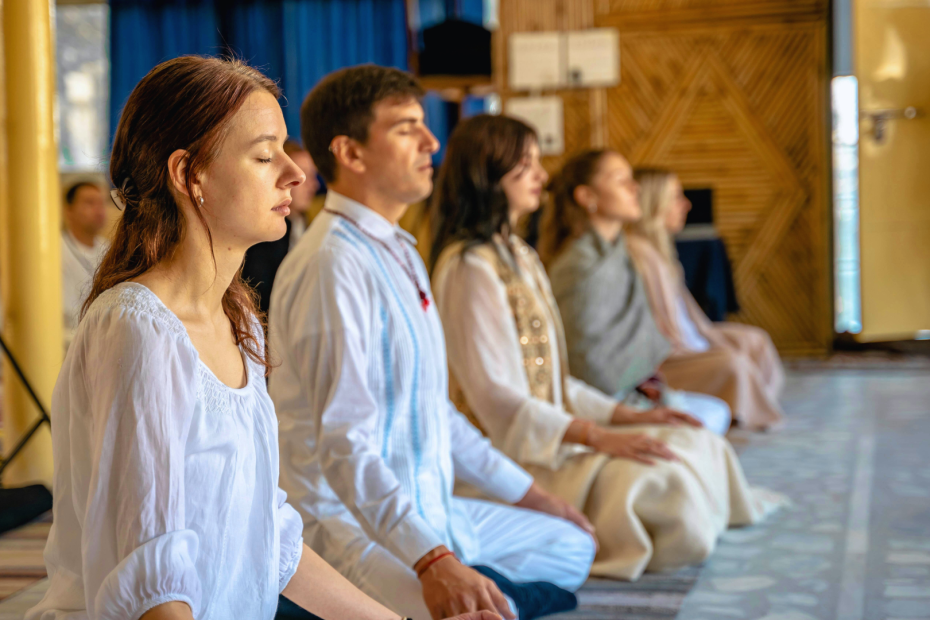
Yoga is a practice that blends physical postures, breath control, and mindfulness, making it a powerful tool for enhancing emotional well-being. Engaging in yoga can lead to reduced stress and anxiety, promoting a sense of calm and stability in daily life. This holistic approach not only strengthens the body but also nurtures the mind, creating a balanced state that supports overall mental health.
The act of focusing on breath and movement allows individuals to become more in tune with their emotions. Through regular practice, they can develop greater self-awareness and resilience, enabling them to cope better with life’s challenges. Many find that yoga encourages a shift in perspective, fostering positive feelings and a sense of contentment.
Integrating yoga into a daily routine may lead to lasting benefits for emotional health. By prioritizing this practice, individuals can build tools to navigate their feelings, cultivate inner peace, and enhance their overall quality of life.
Yoga’s Fundamental Role in Emotional Well-Being
Yoga plays a crucial role in enhancing emotional well-being by promoting mindfulness, helping to regulate emotions, and reducing stress and anxiety. Key practices within yoga contribute significantly to achieving emotional balance through various techniques.
Mindfulness and Self-Awareness in Practice
Mindfulness in yoga encourages individuals to remain present in each moment. This practice fosters self-awareness, allowing practitioners to identify their emotions without judgment.
Through regular engagement in mindfulness, one develops a deeper understanding of emotional triggers. This awareness can lead to better responses to stressful situations, fostering emotional resilience. Techniques such as body scans and guided meditations are effective in enhancing awareness during practice.
Additionally, maintaining focus on breath during asanas (yoga poses) deepens the connection between mind and body. This connection is essential for recognizing and acknowledging feelings, leading to improved emotional health.
Emotional Regulation through Breathwork
Breathwork is fundamental to yoga and plays a significant role in emotional regulation. Techniques like pranayama (breathing exercises) can enhance calmness and reduce emotional reactivity.
By controlling the breath, practitioners can influence their physiological state, promoting relaxation. For instance, deep, slow breathing reduces heart rate and activates the parasympathetic nervous system, which fosters relaxation.
Regular practice of specific breathwork techniques can empower individuals to manage their emotions better. When faced with stress, they can use these techniques to stabilize feelings and maintain emotional balance.
Reducing Stress and Managing Anxiety
Yoga has been shown to effectively reduce stress and manage anxiety through its physical and mental practices. Engaging in physical postures promotes the release of tension stored in the body, leading to a sense of relief and relaxation.
Moreover, the meditative aspects of yoga allow individuals to cultivate a calm mind. Techniques such as mindful movement and meditation work together to lower cortisol levels, the stress hormone.
Participants often experience a decrease in feelings of anxiety after consistent yoga practice. This reduction occurs as yoga helps shift focus away from negative thought patterns, promoting a more positive and relaxed state of mind.
Key Yoga Techniques and Their Emotional Benefits
Yoga offers various techniques that significantly enhance emotional well-being. By engaging in specific poses, breathing exercises, and meditation practices, individuals can foster inner peace, reduce emotional distress, and support mental health.
Yoga Poses for Emotional Release
Certain yoga poses are recognized for their ability to help release pent-up emotions. Asanas such as Child’s Pose and Pigeon Pose target specific areas in the body, promoting emotional release.
- Child’s Pose: This posture encourages introspection and can bring a sense of calm. It helps stretch the back and opens the hips, which often store emotional tension.
- Pigeon Pose: Known for releasing emotional baggage, this pose requires deep hip opening. It can stimulate the production of serotonin, a neurotransmitter that enhances mood.
Practicing these poses regularly can ease emotional distress and help individuals find balance.
Breathing Exercises for Emotional Clarity
Breathing exercises, or pranayama, are crucial for achieving emotional clarity. Techniques like Nadi Shodhana (alternate nostril breathing) and Ujjayi Breath help calm the nervous system.
- Nadi Shodhana: This technique balances the body’s energy channels, promoting mental clarity. It can reduce anxiety and lead to a more stable emotional state.
- Ujjayi Breath: Known for its soothing effects, this practice increases oxygen flow and calms the mind. It promotes awareness and helps focus thoughts, making it an excellent tool for managing emotional stress.
Incorporating these exercises into a routine can enhance overall mental well-being.
The Role of Meditation in Mental Health
Meditation is a core component of yoga, particularly for emotional health. Mindfulness meditation helps individuals observe their thoughts and feelings without judgment.
- Mindfulness Practices: These techniques encourage self-awareness and emotional regulation. By understanding their emotions, individuals can better manage stress and anxiety.
- Loving-Kindness Meditation: This specific practice fosters compassion towards oneself and others. It has been shown to increase levels of GABA, an important neurotransmitter for mental health.
Regular meditation can significantly enhance emotional resilience, contributing to a more positive state of mind.
Building Resilience and Personal Growth through Yoga
Yoga provides tools for enhancing resilience and fostering personal growth. Practitioners can develop emotional resilience, cultivate positive thought patterns, and improve concentration and mental clarity, all of which contribute to overall well-being.
Enhancing Emotional Resilience
Regular yoga practice can lead to increased emotional resilience. Through various poses and breathing exercises, individuals learn to manage stress effectively. This aids in lowering cortisol levels, which, when elevated, can hinder a person’s coping abilities.
By focusing on mindfulness during practice, individuals become more aware of their emotional responses. This awareness allows them to respond to challenging situations more calmly and thoughtfully. Over time, consistent practice nurtures a more stable emotional state.
Fostering Positive Thought Patterns
Yoga encourages the development of positive thought patterns. Techniques such as meditation reinforce the habit of positive thinking. Practitioners learn to observe their thoughts without judgment, which can mitigate negative self-talk.
By integrating affirmations with physical practice, individuals can replace limiting beliefs with empowering ones. This shift not only enhances personal growth but also significantly contributes to building a resilient mindset. A positive outlook can transform how challenges are perceived and handled.
Supporting Concentration and Mental Clarity
Concentration and mental clarity are vital for personal growth. Yoga enhances these skills through focused breathing and intentional movement. These practices can sharpen cognitive abilities and improve overall focus.
Additionally, the calming effects of yoga can reduce mental clutter. This allows for deeper introspection and clearer thinking. Improved concentration can facilitate problem-solving and decision-making, further supporting resilience in daily life.
Integrating Yoga into a Holistic Emotional Wellness Strategy
Incorporating yoga into an emotional wellness strategy enhances mental health by complementing various therapeutic practices and integrating mindfulness into daily routines. Both elements play a crucial role in improving emotional well-being.
Combining Yoga with Therapy
Yoga can be a powerful tool when combined with traditional therapy. It helps individuals process emotions and reduce anxiety. Many therapists recommend yoga as an adjunct to psychotherapy, as it offers techniques for grounding and self-awareness.
Practicing yoga increases focus, which allows for deeper engagement during therapy sessions. It encourages the release of pent-up emotions through movement and breath. Breathwork, a key aspect of yoga, is beneficial for calming the nervous system, creating a safe space for emotional exploration.
Additionally, yoga fosters a sense of community. Supportive group classes can provide social connections that enhance the healing process. By addressing both physical and emotional needs, yoga complements therapeutic approaches effectively.
Incorporating Mindfulness Practices into Daily Life
Integrating mindfulness through yoga into daily routines promotes emotional stability and mental clarity. Simple techniques can create lasting positive changes without requiring extensive time commitments.
One approach is to incorporate short yoga sessions into everyday activities. This can include five minutes of mindful breathing before a meal or stretching after waking up. Mindfulness meditation can also be practiced alongside yoga to enhance awareness and reduce stress.
Additionally, individuals can use cues throughout their day to remind them to pause and breathe. Techniques may include using meditation apps or setting reminders on their phones. Maintaining a consistent practice reinforces a calm mindset, supporting emotional resilience and well-being.
By blending yoga with mindfulness, individuals create a path toward improved emotional health. This integration encourages a holistic approach to well-being, making it accessible and practical.